Inside the Coffee Change 40,000 Heart-Minded Drinkers Made — And Why They Say Their Mornings Feel Easier
The whole thing began with one question posted to a health community: "Could my first cup of the day be undoing the work I put into my heart?" What came back surprised a lot of people — and quietly pulled thousands away from the household coffee brands.
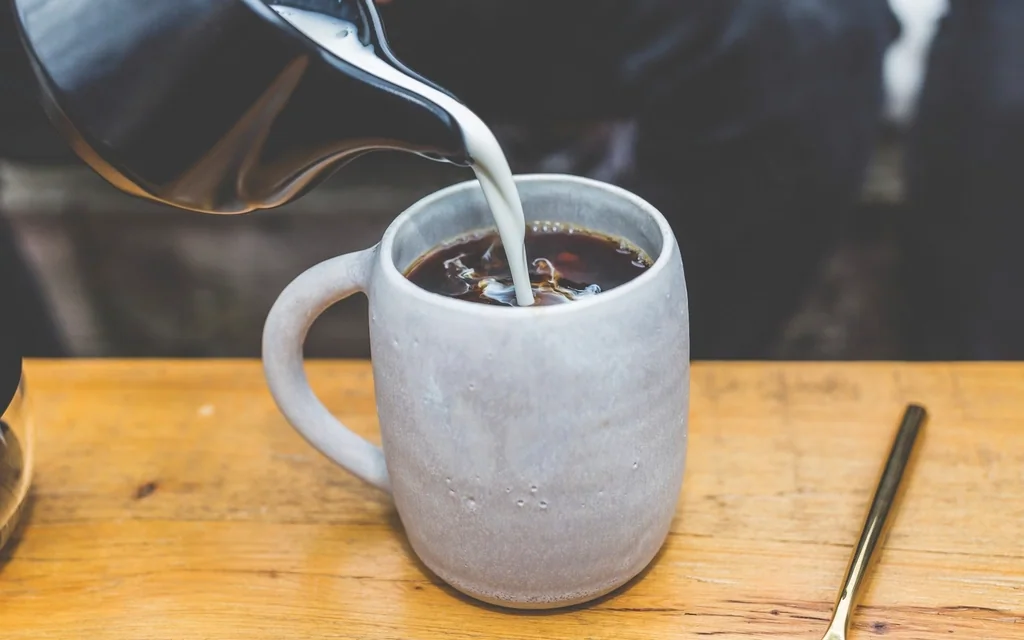
Plenty of adults past 40 will recognise the pattern: you drain your first cup, and inside an hour something is not quite right. A faint tightness arrives. Your heart seems to be doing more work than the morning deserves. You write it off as age, as stress, as "mornings just being like this now."
Still, a growing community of more than 40,000 heart-minded coffee drinkers has reached a different verdict: the fault was never their body, and it was never the caffeine either. The issue sat upstream in the supply chain — sealed into the beans long before the bag was ever filled.
Three things hiding in your cup that rarely come up
-
Vascular support that gets roasted out of existence
Coffee beans naturally carry chlorogenic acids — antioxidant compounds that peer-reviewed studies have connected with better endothelial function after meals and blood vessels that respond more healthily.[1] Here is the problem: large commercial roasters run their drums hot and fast to maximise output and shelf life. That approach can wipe out as much as 70% of those polyphenols before the beans are bagged.
-
Mycotoxins you will never see, from careless drying and storage
Findings published in the Journal of Microbiology, Biotechnology and Food Sciences indicate that a meaningful fraction of green coffee beans carry ochratoxin A and aflatoxins — toxic compounds left behind by mould when beans are dried badly or stored for too long.[2] These mycotoxins have no flavour and no odour, yet the research links them with oxidative stress, persistent low-grade inflammation and a measurable load on the heart, blood vessels and kidneys.[3]
-
A leftover chemical load from conventional growing
Coffee is among the most heavily treated crops in the world. Conventional farms use synthetic pesticides, herbicides and fertilisers as standard practice, and traces can survive processing and reach your cup. Month after month, that keeps your liver and vascular system busy filtering substances your body was never meant to meet so often.
Mould shows up well beyond coffee
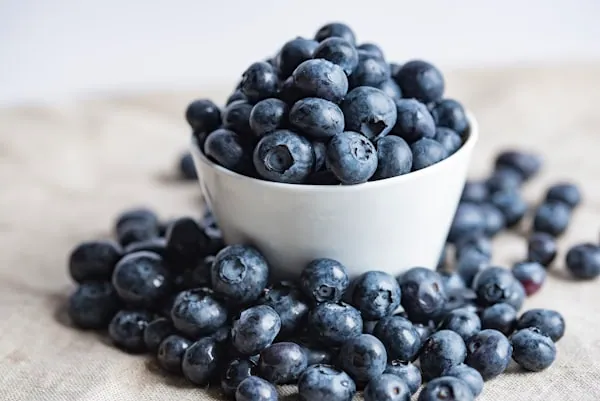
Once ochratoxin A and aflatoxins are on your radar, the problem looks surprisingly ordinary. Below are five everyday foods where mould — and, sometimes, the compounds it leaves behind — is a routine worry for growers, bakers and food-safety agencies.
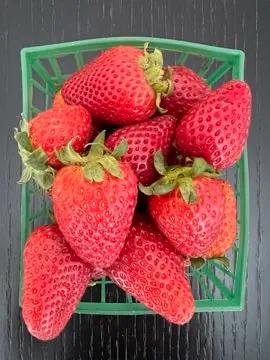
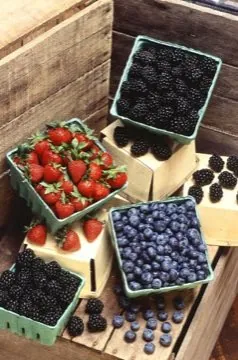
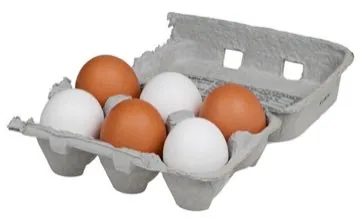
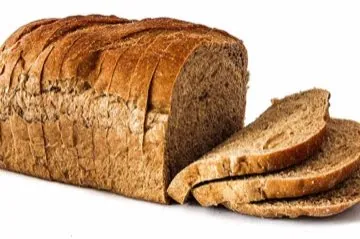
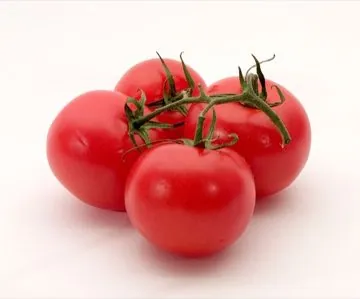
What sets coffee apart is repetition. A mouldy strawberry is obvious and gets binned; a bag of beans that was dried or stored poorly looks, smells and tastes completely normal — and you drink it every single morning for years. Testing exists to close exactly that gap.
The roaster that said no to the industry trade-off
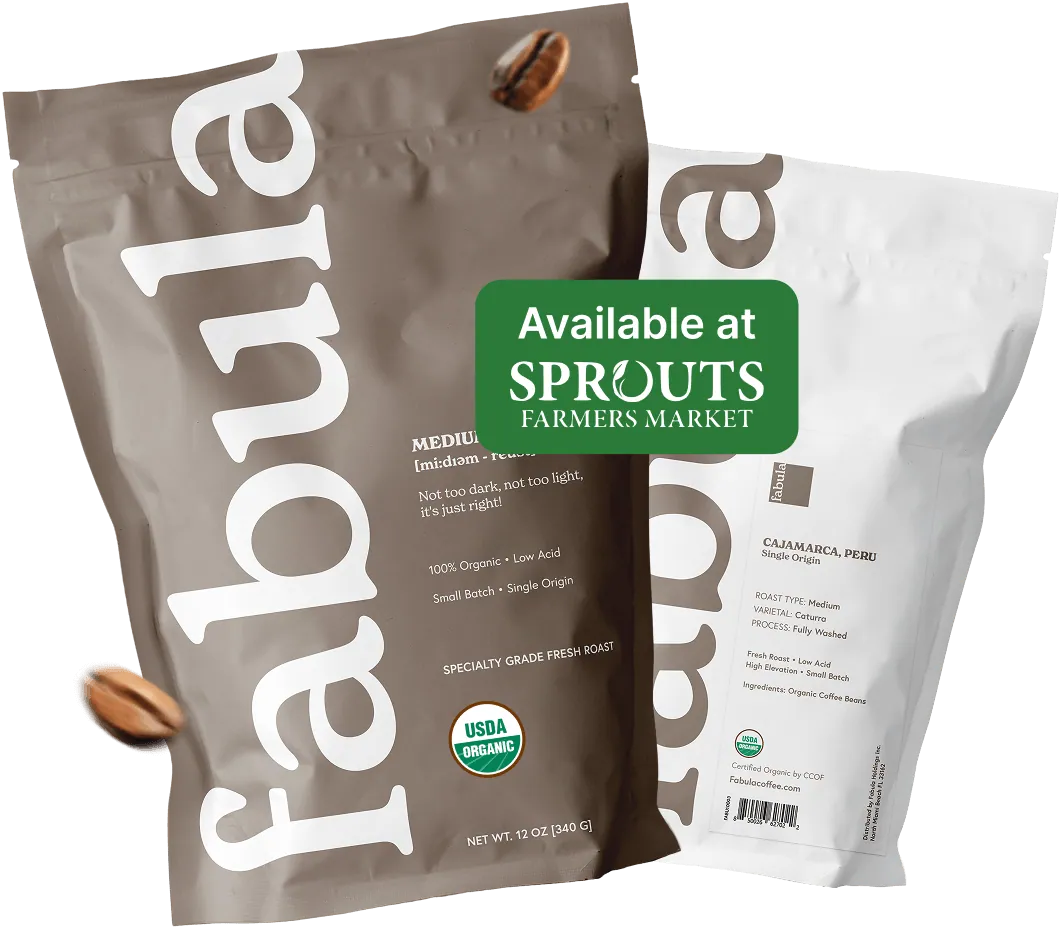
This is the exact challenge a specialty roaster named Fabula Coffee chose to take on — not by pulling the caffeine out, not by leaning on added supplements, but by rethinking the entire path a bean takes from a high-altitude farm to your morning cup.
Roasted slowly to protect what the bean arrived with
While commercial roasters chase throughput, Fabula roasts at lower, carefully controlled temperatures over longer cycles. The outcome: the chlorogenic acids and polyphenols that support healthy vascular function survive intact instead of being scorched away. You get the bean's complete antioxidant profile — and layers of flavour most people have never encountered in a cup.[1]
Screened by an independent lab for 350+ compounds
"Mould-free" and "clean" are slogans any company can print on a bag. Fabula puts evidence behind them: every batch goes to an independent laboratory and is screened for more than 350 chemical compounds, pesticides and toxins — including the ochratoxin A and aflatoxins that turn up in cheaper commercial lots.[4] The lab reports are not decoration — they are on file.
USDA Certified Organic — no synthetic chemistry
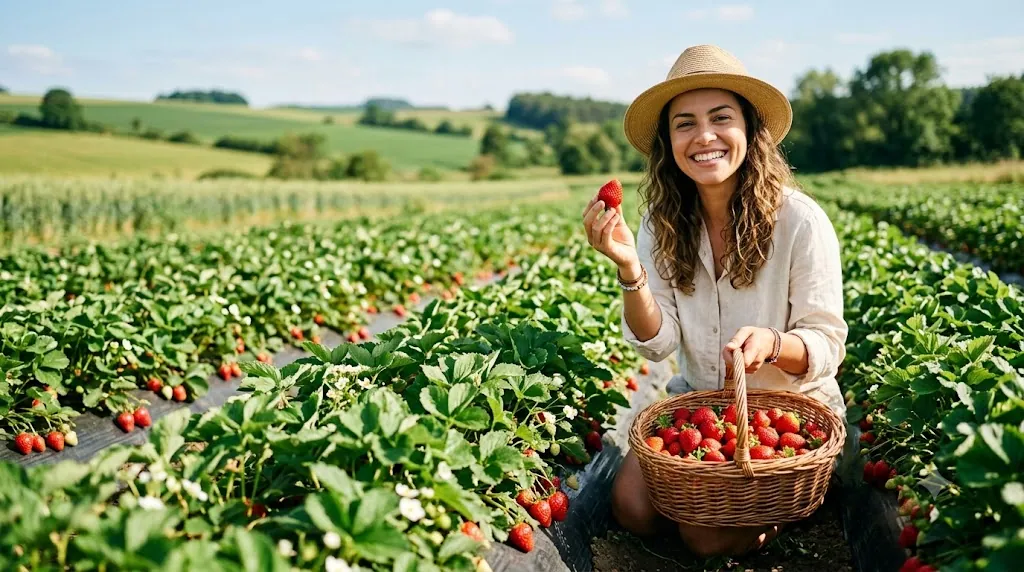
Fabula carries USDA Organic and Non-GMO certifications. No synthetic pesticides. No herbicides. No chemical fertilisers. The coffee plants are fed by natural methods, the soil is cared for over the long term, and the farmers who tend the crop work free of the chemical mixtures that conventional coffee farming is built on.
shade-grown
each batch
customer reviews
"I spent two years with a wellness coach trying to keep my daily tension in check. We changed food, sleep, exercise — everything except my coffee, which never came up. The week I moved to Fabula, something gave way. My afternoon readings were clearly calmer. My coach was honestly surprised."
The details most roasters skip — and attentive drinkers can tell
Shade-Grown Above 7,000 Feet
Cooler air and a slower growth cycle give the beans denser cell structures and richer stores of natural polyphenols. Fabula buys exclusively from farms above 7,000 feet.
Single Origin, Never Mixed
Mass-market brands combine beans from dozens of sources to disguise staleness and inconsistency. Fabula uses single-origin lots — you taste where it grew, not an averaged-out blend.
Roasted Days Before It Leaves
Supermarket coffee is frequently roasted months before it reaches the shelf. Fabula roasts in small batches and ships within days of roasting — so it arrives at its freshest.
That is the gap between coffee that is produced and coffee that is crafted.
"Probably the smoothest coffee I have ever tasted. No jitters, no sense that my body is running too hot. I had not realised how much I was simply putting up with until I drank a cup that was truly clean. Mornings are something to look forward to again."
"Sounds too good…" — the honest questions worth raising
If you are healthily sceptical, good — we are too. These are the objections we would want settled before switching.
When a company absorbs the cost of every unhappy customer and puts its coffee through a 350-compound independent screen, that is a company betting on its product — not on your forgetfulness.
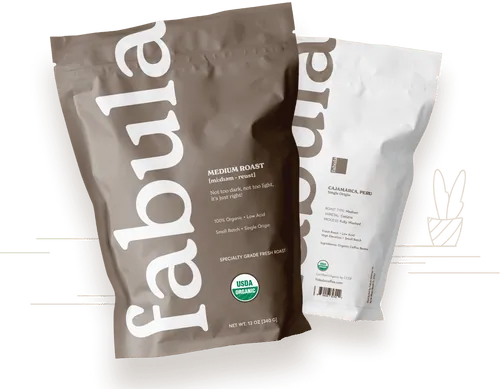
Try Fabula at 50% Off With Free Shipping
Choose your type and roast, then the number of bags — the 6-pack brings the largest saving (up to $90 off). Every order ships free and freshly roasted.
Frequently asked questions
Is the money-back guarantee real?
Is this a subscription?
How long does a bag last?
Is it really organic and tested?
How does Fabula compare with my current coffee?
Scientific references
- Ochiai, R., et al. "Coffee with a high content of chlorogenic acids and low content of hydroxyhydroquinone improves postprandial endothelial function in men." European Journal of Clinical Nutrition, 2004; 58, 41–46. Nature.com.
- Barboráková, Z., et al. "Ochratoxin A and Aflatoxins Quantification in Green Coffee Beans: Mycological and Analytical Study." Journal of Microbiology, Biotechnology and Food Sciences, 2025;14(6):e12406. office2.jmbfs.org.
- Studer-Rohr, I., Dietrich, D.R., Schlatter, J., Schlatter, C. "The occurrence of ochratoxin A in coffee." Food and Chemical Toxicology, 1995. ScienceDirect. Ochratoxin A is regulated in roasted, ground and instant coffee under EU Regulation 2022/1370; see also: "Comprehensive Analysis of Mycotoxins in Green Coffee Food Supplements," PMC.
- Regulatory context on permissible ochratoxin A limits in coffee products: Commission Regulation (EU) 2022/1370, referenced in "Comprehensive Analysis of Mycotoxins in Green Coffee Food Supplements: Method Development, Occurrence, and Health Risk Assessment," PMC.
The references listed cover general scientific findings on chlorogenic acids, vascular function and mycotoxin contamination in coffee as a crop. They give the health background for this article and are not independent confirmation of Fabula's own product testing or lab results, which remain the manufacturer's claims.